Valle d’Aosta Escape

Mason O'Donnell
| 14-01-2026
 · Travel Team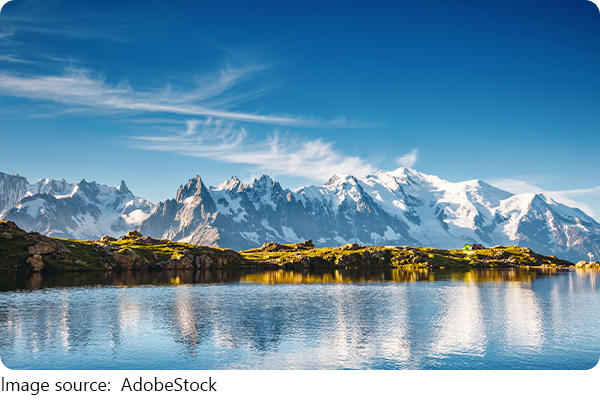
Lykkers, imagine stepping into a region where snow-capped peaks, medieval castles, and quaint alpine villages all exist in harmony. Valle d’Aosta, Italy’s smallest autonomous region, offers exactly that.
Walking through its streets, we encounter Roman ruins, picturesque squares, and cozy cafés serving local cheeses and pastries.
Just beyond the towns, alpine trails invite us to hike or ski depending on the season, offering views that are simply breathtaking. Aosta, the capital, is our perfect base to start exploring the region’s culture, history, and natural beauty.
Getting There and Transportation
To reach Valle d’Aosta, we can fly into Turin Airport (TRN), about 120 km away, or Geneva Airport (GVA), roughly 160 km distant. From either airport:
Sri Lanka Travel Guide: Exact Prices, Opening Hours, Transport Fees & Where We Stay and Eat!
Experience the Magical Sunrise in Urbino: Watch Italy's Hilltop Renaissance Town Wake Up Before Everyone Else!
Lindau Lake Escape: How We Fell in Love with This Charming Bavarian Island Town and Its Stunning Views!
Why Salerno Is Italy's Most Relaxing Coastal City With Clear Prices, Easy Transport, and Fewer Crowds!
Wander Valensole: Discover Provence’s Stunning Lavender Fields with Practical Tips, Costs, and Best Times to Visit!
Why Dubai Marina’s Sunset Panorama Feels Unreal: Exact Times, Costs, Transport, Dining, and Where We Get the Best Views!
- Train: Turin → Aosta, ~2 hours, tickets $15–$25 per person
- Bus: Turin → Aosta, ~2.5 hours, tickets $10–$15
- Car rental: $40–$80/day; best for exploring remote valleys and mountain trails
Local transport:
- Buses connect Aosta with Courmayeur, Gressoney, and Cogne, $2–$10 depending on distance
- Taxis cost around $1.50/km
Tips: Renting a car offers freedom to visit villages and trailheads, especially in winter when snow tires or chains are required.
Castles We Can Explore
Valle d’Aosta is dotted with medieval castles, each with its own charm:
1. Fenis Castle
- Ticket: $10 per person, $7 per child
- Opening hours: 9:00 a.m.–6:00 p.m. daily
- Highlights: Frescoes, courtyards, and 13th-century architecture; guided tours $5 extra
2. Issogne Castle
- Ticket: $12 per person, $8 per child
- Opening hours: 10:00 a.m.–5:30 p.m. daily
- Highlights: Renaissance frescoes and decorated courtyard
3. Sarre Castle
- Ticket: $8 per person, $5 per child
- Opening hours: 9:00 a.m.–5:00 p.m. daily
- Highlights: Summer residence of the Dukes of Aosta
Tips: Arrive early to avoid crowds, especially in summer. Many castles offer multilingual guided tours.
Outdoor Adventures and Nature
Nature lovers will find Valle d’Aosta irresistible:
- Mont Avic Nature Park: Free entry, trails suitable for beginners and experts; best in summer for alpine flowers and wildlife
- Gran Paradiso National Park: Entry free; guided tours $15–$25; spot ibex, chamois, and golden eagles
Ski Resorts: Courmayeur and Pila
- Lift passes $40–$50/day
- Equipment rental $25–$40/day
Tips: Dress in layers as mountain weather changes quickly. Early mornings give the clearest views. Always bring water, snacks, and a camera.
Best Time to Visit
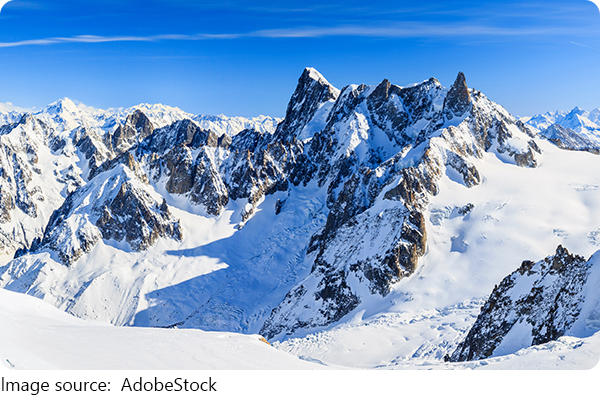
- Winter (December–March): Perfect for skiing, snowboarding, and snowshoeing. Snow-covered mountains create a magical alpine atmosphere.
- Summer (June–September): Ideal for hiking, sightseeing, and local festivals. Days are longer and nature is at its most vibrant, making it perfect for outdoor activities and photography.
Tips: Check local festival schedules and ski resort dates to plan visits according to our interests.
Local Culture and Festivals
Valle d’Aosta celebrates its multilingual heritage (Italian, French, Valdôtain) through festivals and markets:
- Foire de Saint-Ours (January): Traditional crafts festival in Aosta, free entry
- Local markets: Cheese, cured meats, pastries, $5–$15 per tasting portion
- Summer music and folk events: Tickets $10–$20
Tips: Visiting festivals and markets is a great way to meet locals and experience authentic traditions.
Accommodation Options
We can choose accommodation to suit our style and budget:
- Boutique hotels in Aosta: $80–$150/night
- Alpine lodges in Courmayeur: $120–$250/night
- Bed & Breakfast in villages: $60–$120/night
Tips: Summer and winter seasons are popular; booking 2–3 months in advance is recommended. Staying in smaller villages offers a more authentic alpine experience.
Dining and Food
Valle d’Aosta’s cuisine is hearty and memorable:
- Specialties: Fontina cheese fondue, polenta, cured meats
- Dining prices: $15–$40 per person for a main course
- Cafés and pastry shops: $5–$12 for pastries or light bites
Tips: Sharing a fondue meal is perfect for groups. Don’t miss local cheeses and fresh pastries.
Practical Tips for Travelers
- Cash & cards: Most towns accept credit cards; smaller villages may prefer cash
- Language: Italian is most common; French and Valdôtain are widely spoken
- Safety: Roads are safe; mountain driving requires caution
- Connectivity: Good mobile signal in towns; limited in remote hiking areas
- Packing tips: Comfortable walking shoes, layers, sunscreen, water bottle, and camera
Final Thoughts
We leave Valle d’Aosta with lasting memories of alpine peaks, medieval castles, and friendly, multilingual communities. From hiking scenic trails and skiing on crisp slopes to exploring historic ruins and savoring local delicacies, this small region offers countless experiences that delight all travelers. Lykkers, each day here brings new adventures and unforgettable moments, making Valle d’Aosta a destination we will always remember.
Valle d'Aosta (Italy) - 4K
Video by Pablo Tibis