Stone City Glow
Naveen Kumar
| 12-01-2026
 · Travel Team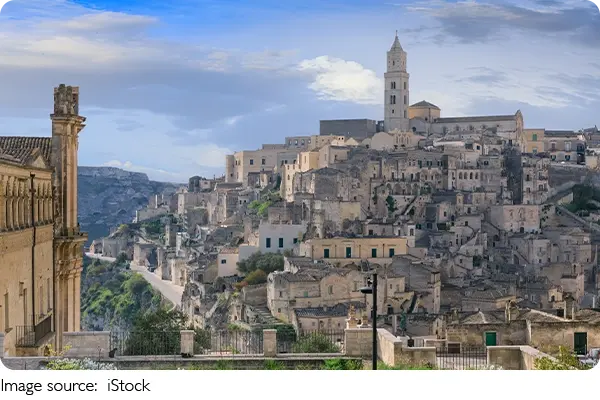
When we plan a trip to Italy, we often think of Rome or Venice—but Matera offers something unique and unforgettable. Located in Basilicata, this city was named the European Capital of Culture in 2019, highlighting its ancient heritage and vibrant culture.
Its iconic Sassi districts are cliffside dwellings carved directly into the limestone, giving us a chance to explore thousands of years of history. Whether we are history lovers, photographers, or travelers seeking something different, Matera offers an experience unlike anywhere else.
Best Time to Visit & Weather Tips
The ideal months are spring (April–June) and autumn (September–October). Temperatures range between 15–25°C, perfect for walking outdoors.
Beyond Function: How Urban Trash Cans and Public Facilities Are Redefining City Aesthetics!
Step Inside Lyon’s Forgotten Bell Tower of Charity – History, Tickets, Tips & Nearby Spots Revealed!
Explore Orlando: Your Ultimate Guide to Theme Parks, Hotels, Dining, and Hidden Gems in Central Florida!
Discover Les Saisies Like a Pro: Exact Lift Pass Prices, Accommodation Costs, Transport Fees, Dining Tips & Best Ski Season!
Discover Umm al Quwain’s Swordfish Monument: Stunning Sea Views, Perfect Photo Spots, and Local Culture Awaits!
Discover Lisbon's Hidden Gem: Belem Tower's Rich History and Visitor Tips!
- Summer (July–August): Can be hot (30°C+) and crowded.
- Winter: Cooler weather and fewer tourists, but some attractions may have limited hours.
Planning around these months lets us enjoy comfortable weather and clear views of the Sassi.
How to Get There & Transportation Costs
From Bari:
- Bus: ~$10–$12, about 1.5 hours to Matera Centrale station.
- Train: Regional train from Bari Centrale (~1.5 hours), ~$15.
From Naples:
- Combination of train and bus: ~3–4 hours, ~$20–$25.
Getting Around Matera:
- Walking: Most practical for the Sassi, due to narrow streets and stairs.
- Taxi: ~$5–$15 for short trips.
- Parking: ~$1–$2/hour at public lots near the Sassi.
- Small electric tour vehicles: ~$10–$15 per ride for guided tours.
We should pack light and wear sturdy shoes because the streets can be uneven and steep.
Exploring the Sassi: Sasso Barisano and Sasso Caveoso
The Sassi are divided into Sasso Barisano (facing Bari) and Sasso Caveoso (facing Montescaglioso). These districts rise up to 380 meters and are connected by alleys, staircases, and small courtyards called vicinati. Walking through the Sassi, we encounter limestone houses, ancient rock buildings, and terraces overlooking the Gravina gorge.
- Guided tours: ~$15–$20 for 1.5–2 hours
- Self-guided walks: Free, but exploring slowly is essential to discover hidden corners
- Best times: Early morning or late afternoon for fewer crowds and softer lighting
Key Landmarks
- Civita: Hilltop area with the cathedral and city administrative buildings. Cathedral entrance: ~$3–$5; open 9:00 AM–7:00 PM.
- Piazza Sedile: Main square on the Piano; public life moved here in the 16th century. Free to visit.
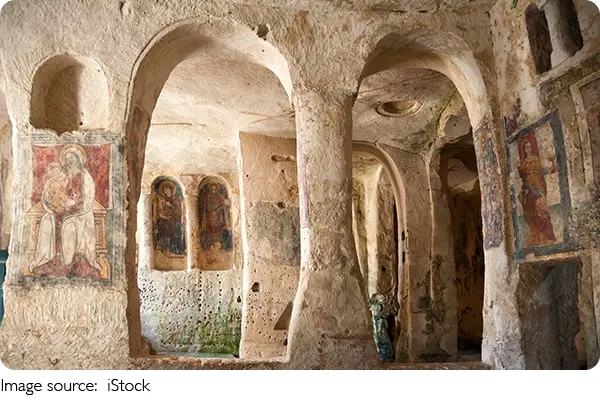
- Rupestrian Sites: Ancient rock-cut sites; entry ~$5–$8 each. Guided tours recommended.
- Crypt of the Original Sin: Entry ~$10 full price, ~$8 reduced; seasonal hours apply.
- Casa Ortega & Casa Cava: Entry ~$3–$5 depending on site; seasonal opening.
Arriving early or late in the day helps us avoid the busiest hours and enjoy the scenery in pleasant light.
Accommodation Options & Prices
Matera’s cave hotels let us experience staying inside historic stone homes.
- Budget: Hostels & simple B&Bs ~$30–$80 per night.
- Mid-range: Cave B&Bs or small hotels ~$100–$160 per night, often with breakfast.
- Luxury: Boutique cave hotels ~$180–$300+ per night.
Tips: Staying in the Sassi provides the most immersive experience but expect stairs and uneven floors. Booking early during spring and autumn ensures the best views and prices.
Dining & Local Food Prices
Matera cuisine is hearty and local, featuring handmade pasta, fresh cheeses, and grilled vegetables.
- Lunch in a casual trattoria: ~$15–$25 per person
- Three-course dinner at a mid-range restaurant: ~$30–$45 per person
- Espresso or café drink: ~$1.20
Restaurants usually open for lunch 12:30–15:00 and dinner 19:00–22:30, with smaller establishments closing between meals.
Practical Travel Tips
- Wear comfortable shoes for cobblestones and stairs.
- Carry cash; some small venues prefer it.
- Take screenshots of maps for offline use; the Sassi can be maze-like.
- Guided walking tours (~$30–$40) are useful to uncover hidden history.
- Visit rock sites and museums in the morning or late afternoon for better lighting and fewer crowds.
Why Matera Captures Our Hearts
Matera is more than a historic site—it’s a living city full of culture, landscape, and history. Walking through the Sassi, exploring rock sites, staying in cave hotels, and tasting local dishes, we feel part of something unique. The city’s designation as European Capital of Culture 2019 shows how ancient heritage can coexist with modern life. Lykkers, when we explore Matera, we are not just tourists—we are stepping into a story that has lasted thousands of years, leaving a memory we won’t forget.
Matera Video Tour - Italy 🇮🇹 European Capital Of Culture 2019
Video by Travel And Discover